
Behind the Build: Developing Custom Leather-Appliqué Jerseys
- Sheré Daniels

- Apr 14
- 2 min read
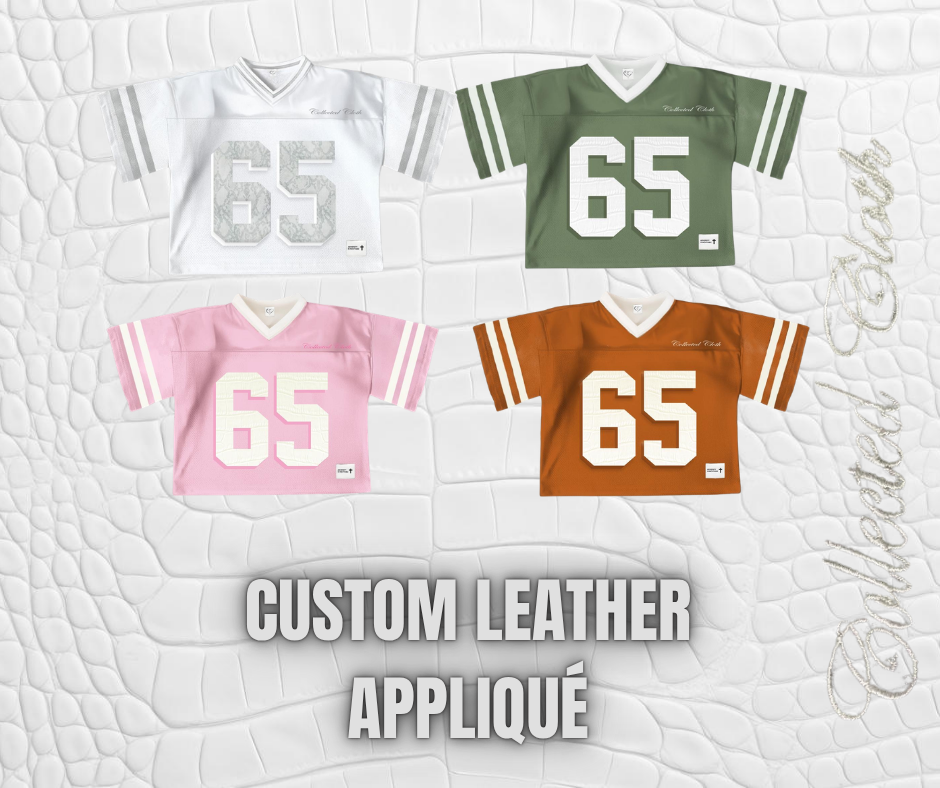
Creating these custom football jerseys was a true example of what happens when design vision meets technical execution. This project centered around combining traditional athletic mesh jerseys with elevated materials—specifically leather appliqué numbers—to create a premium, standout look. From the beginning, the goal was clear: deliver a piece that felt elevated, durable, and visually distinct from standard sportswear.




The Development Process
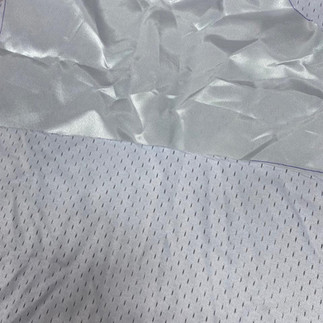
The process began with material sourcing and testing. Because leather behaves very differently than standard twill or vinyl typically used for jersey numbers, we had to explore multiple options to achieve the right balance of structure, flexibility, and finish. This included:
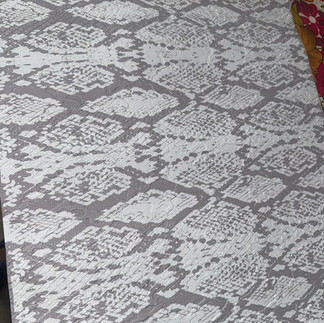
Testing different leather textures and thicknesses
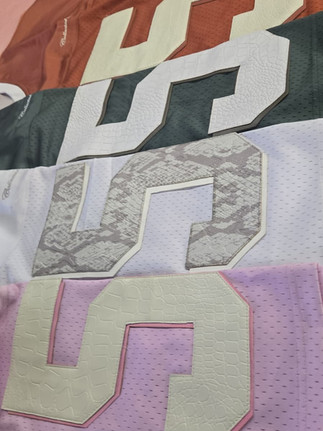
Sampling embossing techniques for added dimension
Evaluating adhesion and stitching methods for long-term durability
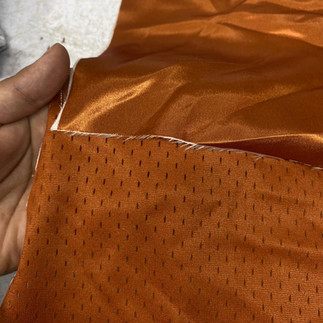
Aligning color palettes across satin, mesh, and leather materials
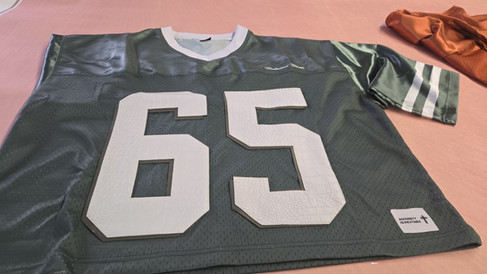
From there, we moved into sampling the appliqué placement, ensuring the numbers maintained a clean, athletic structure while still highlighting the luxury feel of the leather.






Where Development Became Critical
For this project, the client came in with their own specifications. While that can feel like a more efficient route, it often introduces an important reality:
Inconsistent or incomplete specs can actually extend development time and increase sampling costs.
In this case, our team had to refine, reinterpret, and in some areas rebuild the specifications to make them production-ready. This included:
Standardizing sizing and placement proportions
Adjusting construction methods for manufacturability
Reworking material pairings to ensure quality and consistency
This is a normal part of the process and ultimately, it allowed us to deliver a much stronger final product.




The Final Outcome
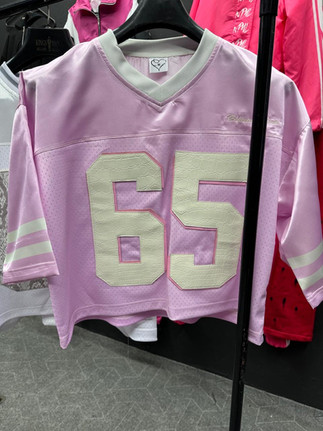
The end result is a fully developed jersey featuring:
Premium leather appliqué numbers with embossed texture
Layered construction for a dimensional, high-end finish
Balanced material combination of mesh, satin, and leather
Clean branding details that complement the garment
Each colorway maintains consistency while still allowing the materials to stand out individually.







What Designers Should Know Before Starting a Project Like This
If you’re a designer looking to create something at this level, preparation is everything. Here’s how to approach it strategically:
1. Understand Your MaterialsNot all fabrics behave the same. Leather, for example, requires different stitching, spacing, and reinforcement than standard jersey materials.
2. Invest in Clear, Production-Ready SpecsA strong tech pack isn’t just about design—it’s about execution. Clear measurements, placement, and construction details will save you time and money in sampling.
3. Be Open to Development GuidanceYour manufacturer isn’t just there to produce—they’re there to refine and elevate your product. Collaboration leads to better results.
4. Budget for SamplingInnovative designs require testing. Sampling is where your product is perfected, not where shortcuts should be taken.
5. Focus on the End ExperienceEvery decision—from materials to placement—should support the final look, feel, and wearability of the garment.


Comments